
Understanding Flooring: Foundation of Custom Home Design
AUTHOR Mike Hollaway
DATE Jun 17, 2026
SHARE
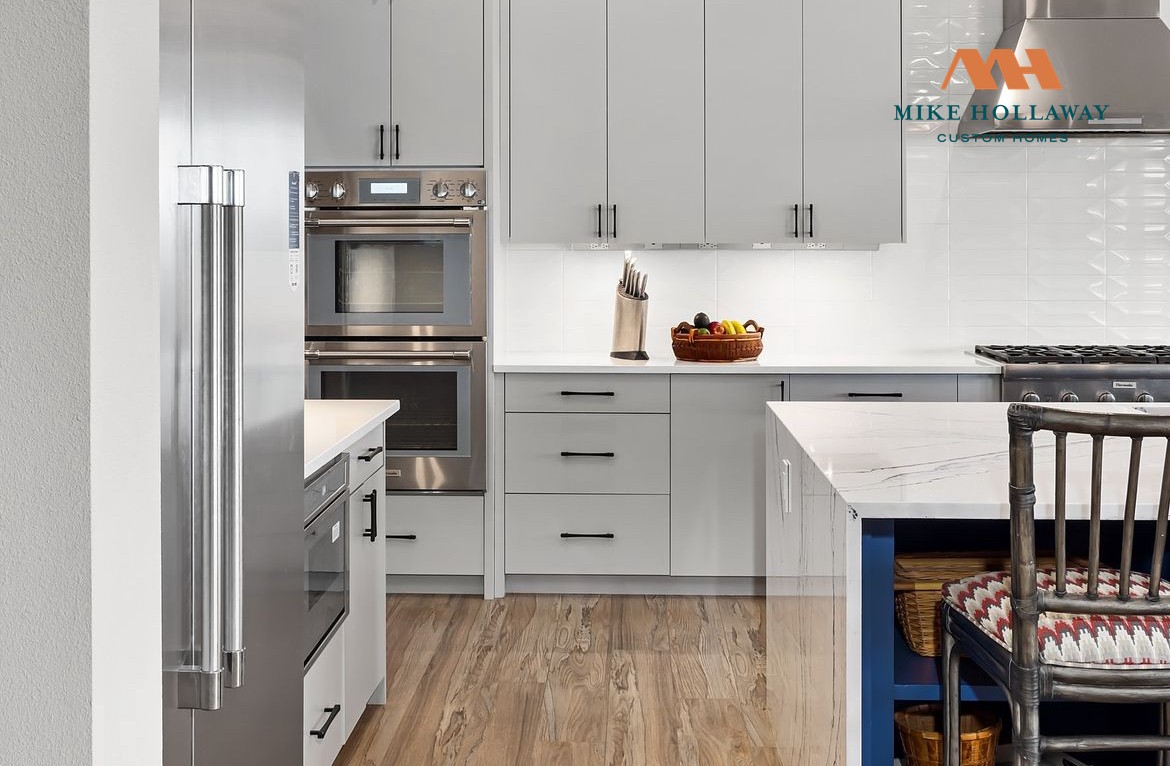
Flooring selections are crucial in custom homes as they lay the foundation for all other design elements and dictate how spaces interconnect visually. When chosen thoughtfully, flooring not only complements aesthetics but guides movement and defines areas without physical barriers.
In open concept areas, using consistent flooring materials helps create a sense of flow. This uniformity links spaces such as kitchens and living rooms, making them feel more expansive and cohesive. Transitions, like using a change in material or pattern, can subtly define different zones – such as shifting from hardwood to tile in areas that require moisture resistance.
Choosing the right materials for the function is key. Wood works beautifully in living spaces due to its warmth and charm, while tiles are ideal in wet areas. The direction of flooring installation can further influence perceptions of space by elongating rooms or guiding natural movement paths.
At Mike Hollaway Custom Homes, I work closely with clients to choose flooring that balances aesthetics with durability and maintenance needs. An understanding of these aspects ensures that your home remains beautiful and functional for years to come.
Thoughtful flooring choices create cohesion across your home, with visually distinct yet seamlessly integrated areas. Give me a call at (210) 490-0069 so we can explore flooring ideas tailored to your vision!
Frequently Asked Questions
Why is flooring important in home design? ▼
Flooring sets the foundation for design aesthetics, defines spaces, and influences how areas visually connect within the home. Mike Hollaway Custom Homes prioritizes thoughtful flooring choices to ensure flow and functionality.
How do flooring transitions define spaces? ▼
Transitions, such as changing materials or patterns, can subtly delineate areas without walls. This approach creates defined zones in open-concept layouts, enhancing both functionality and design.
What materials are best for different home areas? ▼
Wood is ideal for living areas due to its warmth, while tile suits wet areas for its moisture resistance. Mike Hollaway Custom Homes helps clients choose materials that match each area's needs.