
Creating Cohesive Open-Concept Home Designs
AUTHOR Mike Hollaway
DATE Mar 19, 2026
SHARE
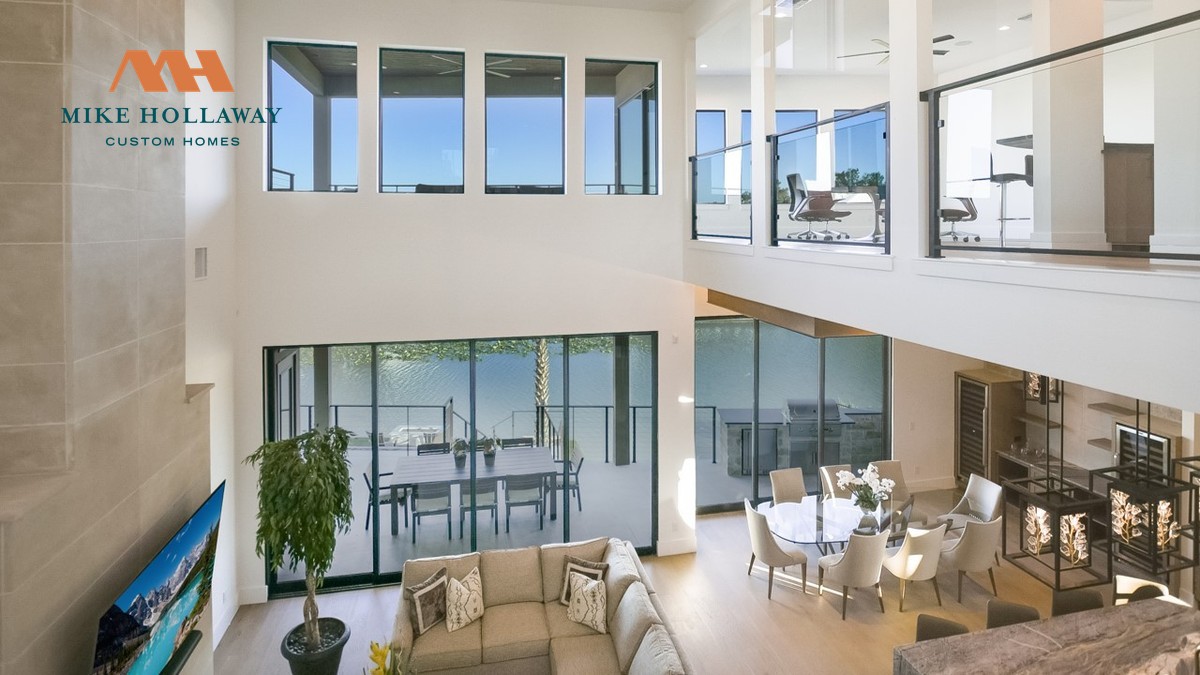
Open floor plans continue to captivate our imaginations because they create inviting, airy spaces that encourage social interaction and maximize natural light. However, designing successful open-concept layouts goes beyond simply removing walls. Each space needs its identity while maintaining a cohesive flow, ensuring it functions better for everyday life.
Techniques I employ to define areas within open plans range from subtle to impactful. Changes in ceiling height can beautifully delineate a dining zone from a living area without separating them entirely. Flooring transitions—like shifting from tile to wood—offer visual variety and guide the eye effortlessly across the space. Thoughtfully placed furniture also acts as invisible walls that frame and enhance each area.
Architectural elements such as columns or beams lend permanent structure and create natural demarcations, maintaining sightlines that keep the flow uninterrupted. It’s crucial to ensure these spaces remain purposeful and intentional, bridging expansiveness and intimacy.
Remember that open-concept designs demand more architectural consideration than traditional layouts, requiring keen insight to masterfully balance openness with definition. If you’re ready to explore creating a custom open space that fits your lifestyle and style, give me a call at (210) 490-0069. Let’s discuss how we can turn your vision into reality together.
Frequently Asked Questions
Why are open floor plans popular? ▼
Open floor plans create airy, connected spaces ideal for social interaction and natural light. They blend functionality with modern aesthetics, a priority at Mike Hollaway Custom Homes.
How can spaces be defined in an open floor plan? ▼
We use techniques like ceiling height changes, flooring transitions, and furniture zoning. Columns and beams also naturally define areas without breaking flow.
Do open-concept homes need more planning? ▼
Yes, they require thoughtful design to balance openness with functional separation. We guide clients in creating spaces that meet these needs effectively.