
Designing Homes for Life’s Changing Stages
AUTHOR Mike Hollaway
DATE Jul 8, 2026
SHARE
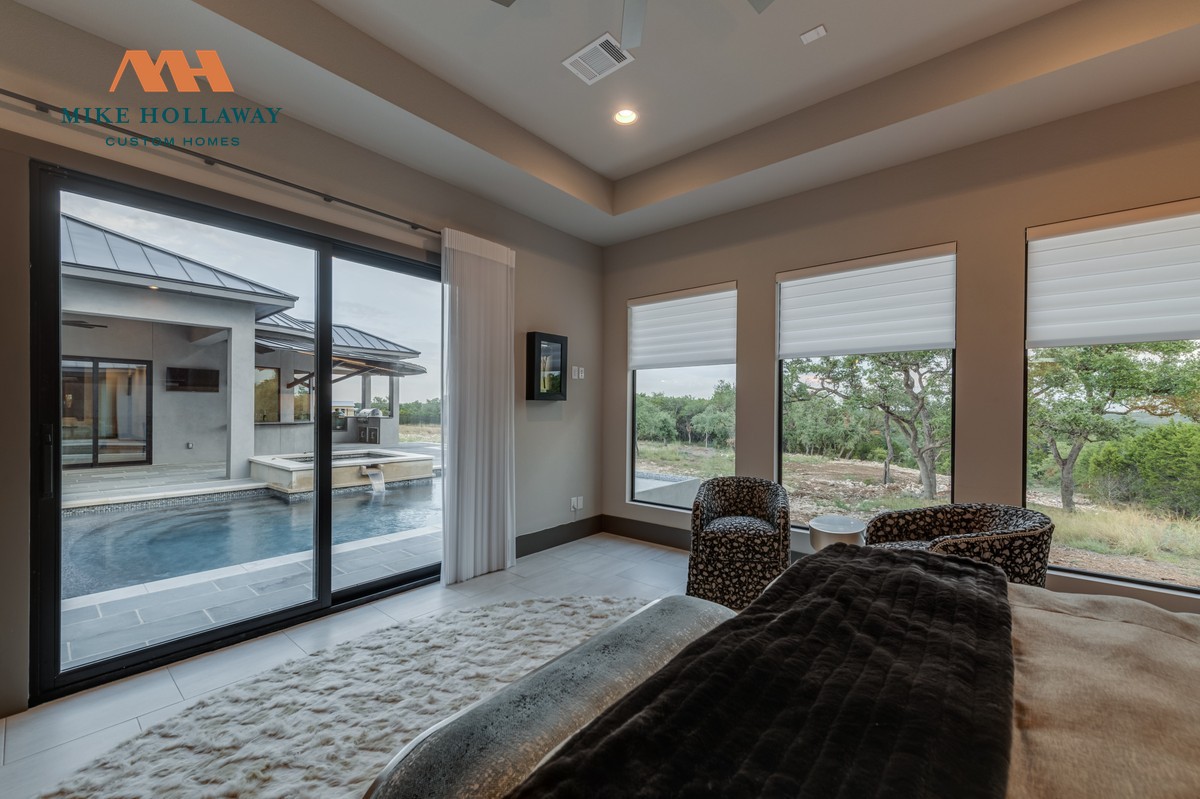
Flexibility in home design is crucial. As someone who’s spent decades listening and learning from clients, I’ve discovered that anticipating future needs is just as vital as addressing current ones. Your home should grow with you, adapting as your life evolves.
A key strategy for adaptable spaces is creating multi-purpose rooms. Bonus rooms can be play areas today but transformed into home offices or guest suites down the line. Main-floor bedrooms are another feature, offering convenience now and accessibility as mobility needs change. We focus on implementing accessible design elements, making them both functional and aesthetically pleasing so they never feel institutional.
Incorporating technology infrastructure from the start ensures your home remains up-to-date as tech advances. Moreover, smart layouts accommodate dynamic family structures — whether it’s blending households or winding down as empty nesters.
These thoughtful designs are intended to serve for decades, ensuring the home remains a haven through every life stage. To discuss designing a home that fits your future, give me a call at (210) 490-0069.
Frequently Asked Questions
What is a bonus room in home design? ▼
A bonus room is an adaptable space, able to serve different functions such as a playroom, office, or guest suite, evolving with family needs.
How can homes be designed for aging in place? ▼
Homes can include main-floor bedrooms, accessible design elements, and adaptable technology to support aging in place, ensuring long-term functionality.
Why is technology infrastructure important in home design? ▼
Technology infrastructure ensures that your home can adapt to new technologies and features, keeping it modern and functional over time.